
The Aviator crash game by Spribe has become a case study for behavioral researchers and gambling studies departments around the world. Its simple mechanic — watching a plane climb while choosing when to cash out before it “crashes” — creates a fertile ground for studying decision-making under uncertainty‚ risk preferences‚ and the influence of design on player choices. This article outlines how academic teams approach research on Aviator-like games‚ what findings are relevant to Rwanda‚ and practical takeaways for regulators‚ educators‚ and players.
Why Aviator attracts academic interest
Aviator is attractive to researchers for several reasons: short rounds produce high-frequency data‚ decisions are temporally concentrated (making reaction time and timing analyzable)‚ and the game strips out many confounding variables present in slot machines (complex paylines‚ bonus features‚ etc.). This clarity allows clearer measurement of behavioral responses to volatility‚ feedback‚ and incentives.
Key behavioral questions universities ask
- How do risk preferences and impatience shape cash-out timing?
- What role does near-miss feedback (e.g.‚ almost-high multipliers) play in continued play?
- Do interface features (buttons‚ autoplay‚ max-bet) nudge choices toward higher risk?
- How does social proof or leaderboards alter wagering behavior?
Common research methods applied to Aviator
Universities combine lab experiments‚ field data analysis‚ surveys‚ and physiological measures to build a full picture of player behavior.
Controlled experiments
Participants are recruited to play simulated Aviator sessions where researchers manipulate variables such as the payout distribution‚ visibility of others’ results‚ or availability of an autoplay feature. These controlled settings allow causal inferences about how specific changes influence cash-out timing and bet size.
Large-scale data analysis
Where available‚ anonymized server logs from operators or experimental platforms provide thousands of rounds per player. Researchers use survival analysis‚ time-series models‚ and mixed-effects regressions to model the hazard of cashing out at each moment.
Surveys and interviews
To connect behavior to motivation‚ studies often include questionnaires assessing impulsivity‚ gambling severity‚ financial literacy‚ and demographic factors — useful for understanding population-level vulnerabilities that may be relevant in Rwanda.
Physiological measures
Some studies add heart-rate monitoring or eye-tracking to link arousal and attention to riskier decisions‚ showing that spikes in arousal often precede riskier cash-out choices.
Findings that matter for Rwanda
Although most formal research originates in Europe and North America‚ the mechanisms observed tend to be broadly applicable. For Rwanda‚ several insights stand out:
- Young adults and males often show higher frequency of play and higher tolerance for risk, demographic patterns that should inform targeted education and prevention.
- Clear interface elements that encourage autoplay or one-click max bets are associated with less deliberative decisions and larger losses over time.
- Short‚ rapid rounds increase the risk of dissociation and lead to “chasing” behavior where players attempt to recover previous losses quickly.
- Social features (chat‚ leaderboards) amplify competitive and FOMO-driven wagering in groups where gambling norms are contagious.
Implications for policy and education in Rwanda
Universities often translate findings into recommendations. For Rwandan regulators‚ researchers suggest:
- Require clear‚ localized warnings about the risks of rapid-play games and provide self-exclusion tools.
- Limit autoplay features or require confirmation prompts for repeated quick bets.
- Support public education campaigns targeting youth on impulse control and financial risk management.
- Encourage data-sharing agreements with researchers under strict privacy safeguards to monitor public-health impacts.
Review: Aviator by Spribe — what players from Rwanda should know
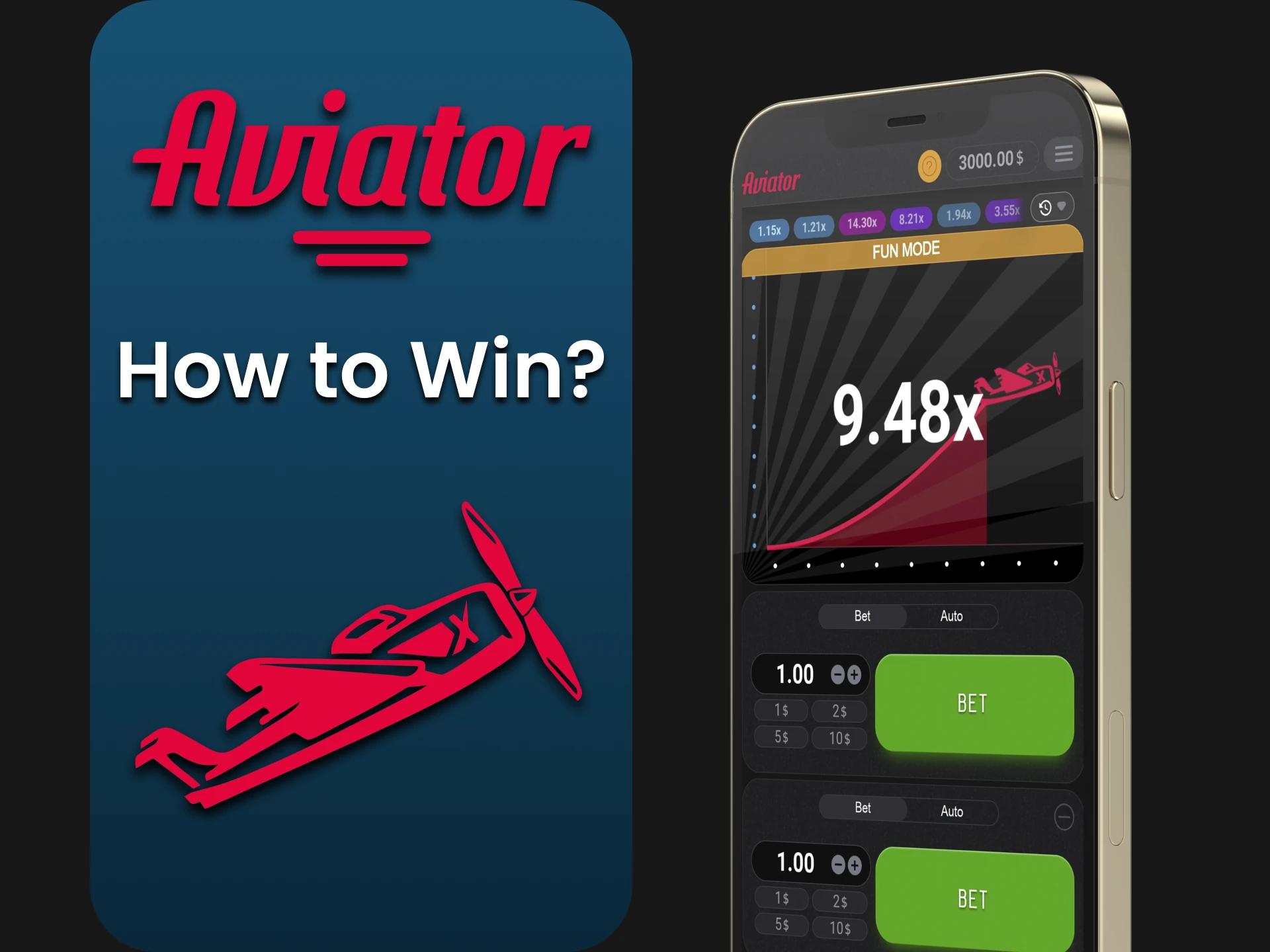
Aviator is a crash-style game where a multiplier increases continuously from 1x upward until the round ends unpredictably. Players bet before each round and choose when to cash out; if the plane crashes before cashing out‚ the bet is lost. The game’s appeal lies in its simplicity‚ the thrill of watching the multiplier climb‚ and the potential for quick‚ large multipliers.
Gameplay and mechanics
- Place a stake before the round begins.
- Watch the multiplier increase — cash out any time to lock in the current multiplier.
- Risk losing the entire stake if the plane crashes before you cash out.
- Rounds are fast; many players make dozens of decisions in an hour.
Where Rwandan players can play
Online casinos accessible to players in Rwanda vary in license‚ language support‚ and payment options. Look for operators that accept local payment methods‚ offer Kinyarwanda or English interfaces‚ and hold reputable licenses (e.g.‚ Malta‚ Curacao — though local regulation may differ). Always check casino terms for country-specific availability and responsible-gambling tools.
Questions and answers
Frequently asked questions
- Is Aviator skill-based or purely luck? There is a skill element in bankroll management and timing‚ but each round’s crash point is effectively random‚ so luck dominates short-term outcomes.
- Can I practice without losing money? Many sites offer demo modes or free-play versions useful for learning timing without financial risk.
- How do I reduce risk? Use small‚ consistent bets‚ avoid autoplay‚ set loss limits‚ and take regular breaks to prevent impulsive chasing.
Frequently unasked questions
- How does round frequency affect addiction risk? Faster rounds increase conditioning and make losses and wins feel immediate‚ raising addiction potential if left unchecked.
- Are leaderboards curated? Operators may display select high wins; be skeptical that leaderboards reflect typical player experience.
Expert feedback
Experienced Player
“Aviator is thrilling because decisions are instant. In my experience‚ discipline is everything: set a target and stick to it. Also‚ demo mode saved me from bad habits early on.”
Practical tips for Rwandan players
- Prefer licensed casinos with clear responsible-gambling measures.
- Use demo mode first to learn the rhythm and interface without financial risk.
- Set strict session and loss limits‚ and consider self-exclusion if control weakens. how site layout impacts time-on-page for aviator game
- Be cautious with social features that encourage competitive escalation.
Ethical considerations for researchers and operators
Universities emphasize ethical safeguards: informed consent in experiments‚ anonymization of player logs‚ and careful reporting that avoids glamorizing wins. Operators should balance engagement with protections like reality checks and cooling-off options.
Research methods used by universities to study Aviator illuminate how game design‚ rapid rounds‚ and social signals shape gambling behavior. For Rwanda‚ these findings translate into concrete steps: regulate interface nudges‚ expand education for young adults‚ and facilitate research partnerships to track public-health outcomes. Players can benefit by using demo modes‚ practicing disciplined bankroll strategies‚ and choosing trusted platforms that support responsible gaming.
